
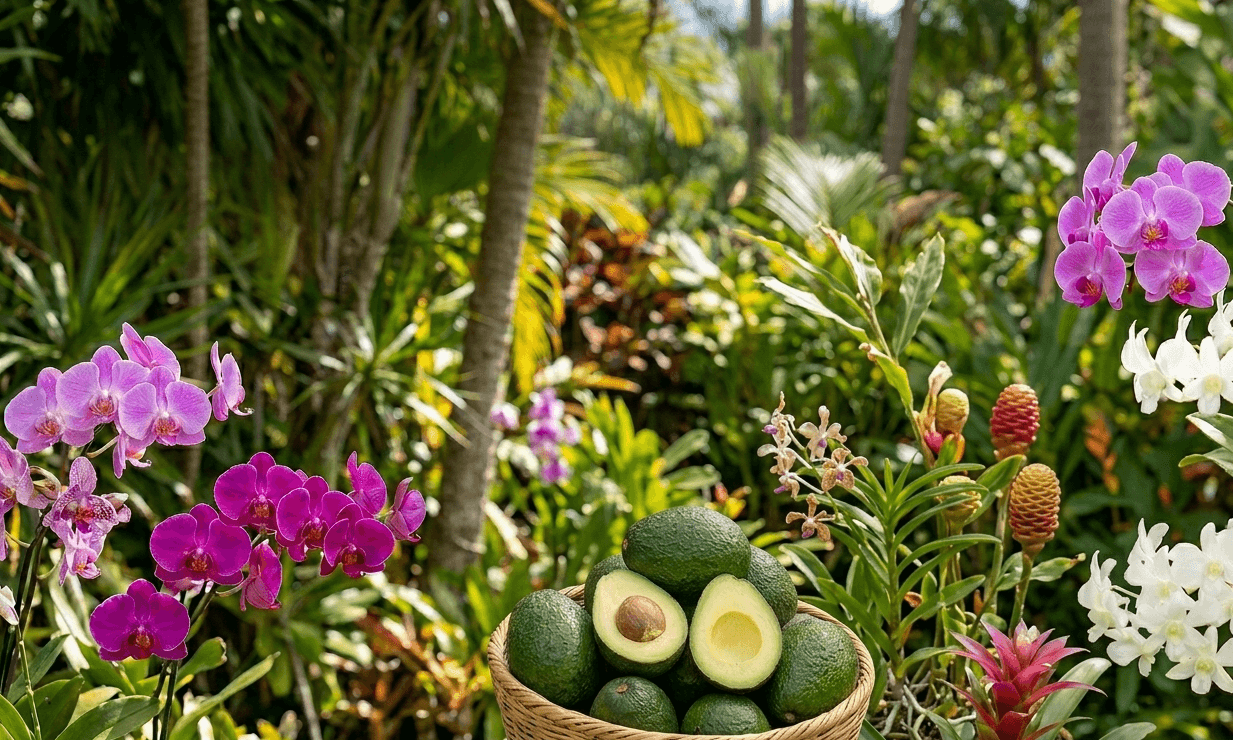
Scientists have revealed that some everyday plants have surprisingly complex and unusual behaviours. Research linked to Aberystwyth University highlights how avocados and orchids use clever methods to reproduce. Experts say these findings show how plants adapt in ways many people do not expect.
Avocado trees, for example, do not stay fixed as male or female. Instead, they switch between the two at different times of the day, which helps improve their chances of pollination. Scientists say this system increases the likelihood that flowers are successfully fertilised.
Orchids, on the other hand, have developed more unusual strategies. Some species attract insects by mimicking the appearance or scent of other organisms. This tricks pollinators into visiting them, helping the plants spread their pollen.

Researchers, including professors working in plant sciences, say these behaviours may sound strange but are highly effective. They explain that such adaptations have developed over millions of years. Understanding them can also help scientists improve crops and protect plant species.
Experts at Aberystwyth University say studying plant reproduction is important for future food security. By learning how plants naturally maximise pollination, scientists could develop more resilient farming methods. This could be especially important as climates continue to change.
Comments
Community comments
Sign in to write a comment.
No comments yet. Be the first to join in.
No Mastodon post found for this article.